
Food Service Telepresence Restaurant
Imagine sharing a meal with friends across the globe, all from your own dining room, while a chef guides you through each course in real-time. With telepresence restaurants, you don’t need to travel to enjoy an evening filled with interactive culinary experiences, immersive technology, and creative menus. If you’re curious how remote dining works and what it means for the future of your favorite restaurants, there’s much more you’ll want to discover.
Evolution of Virtual Dining Concepts
Virtual dining has undergone significant changes in recent years, influenced by evolving consumer preferences and the effects of the pandemic. Concepts such as Click Virtual Food Hall illustrate a new dimension of dining in urban areas like Houston. This model allows customers to access a diverse array of meal options—such as Grilled Chicken, Macro Bowls for health-conscious consumers, and Vegan Vegetables with fresh Tomatoes and green onion—delivered directly to their homes.
The reliance on delivery platforms like Uber Eats has enabled restaurants to provide a broad selection, including Seafood, Ribeye, sushi rice, and traditional dishes like BOH Pasta, efficiently.
Additionally, innovative concepts such as Sandwich Legend and Bravery Chef aim to extend culinary offerings beyond traditional dining locations, serving to enhance the food experience in neighborhoods like Rice Village and River Oaks.
The rise of virtual dining reflects a broader trend towards convenience and variety, reshaping how consumers engage with food in their daily lives. This evolution may have lasting implications for the restaurant industry and consumer behavior moving forward.
Technology Behind Telepresence in Restaurants
Telepresence systems are enhancing connectivity within the restaurant sector by allowing remote diners to participate in meals as if they were physically present. These systems utilize high-definition cameras, microphones, and speakers to facilitate interactive dining experiences.
For instance, users can order from food halls in various locations, such as Houston or River Oaks, and utilize robotic interfaces to manage their selections efficiently.
With these systems, diners can choose a variety of meal options, such as Grilled Chicken or Sushi Rice Macro Bowls, and engage with friends at venues like Bravery Chef or Bowling Club. Additionally, patrons can view upcoming events and share information with fitness communities, all while adhering to established privacy standards.
The integration of telepresence technology in restaurants represents a significant advancement in how dining experiences are accessed and enjoyed, particularly in a post-pandemic era where remote interactions have become increasingly common.
This development suggests a potential shift in consumer behavior and expectations in the sector, leading to broader implications for business operations and marketing strategies.
Le Petit Chef Experience in Houston
The Le Petit Chef Experience, located at the InterContinental Hotel in Houston, combines visual and narrative elements to enhance the dining experience. This immersive event features a variety of menu options, such as Grilled Chicken, Ribeye, Seafood, Vegan Vegetables, and Potato, catering to a diverse range of dietary preferences.
Pricing for the experience varies based on the selected menu items, with attendees required to pay per guest.
Unlike traditional delivery services, the Le Petit Chef Experience emphasizes in-person dining, positioning itself as an engaging alternative to other notable restaurants in the Rice Village and River Oaks areas.
This unique concept has garnered attention from local media, highlighting it as one of Houston’s noteworthy upcoming events.
Given the popularity of immersive dining experiences, potential attendees are advised to make reservations in advance to secure their participation, as such events typically see high demand and limited availability.
Exploring the Click Virtual Food Hall Model
The Click Virtual Food Hall model represents a significant development in the delivery sector, particularly for consumers in Houston. This model introduces a variety of culinary brands, including BOH Pasta, Sandwich Legend, and Bowling Club, all of which are developed by Gabriel Medina in a compact, 800-square-foot kitchen located in the Rice Military area.
The menu at Click encompasses a diverse range of options, featuring items such as ribeye, grilled chicken, vegan macro bowls, sushi rice, and seasonal vegetables. This variety caters to a broad spectrum of dietary preferences and requirements, making it a versatile choice for takeout and delivery.
By providing an efficient alternative to traditional delivery services, Click encourages customers to order directly from its platform, thereby avoiding the typically high fees associated with services like Uber Eats. Additionally, the incorporation of a guest rewards program may enhance customer loyalty and retention.
The emphasis on keeping patrons informed about restaurant openings and upcoming events can serve to maintain interest and engagement within the community.
This model not only addresses the logistical challenges of urban food delivery but also reflects a growing trend towards streamlined food service operations that prioritize efficiency and customer satisfaction.
Overall, the Click Virtual Food Hall offers a noteworthy examination of the evolving landscape of food delivery and takeout options.
Impact of 3D Projection and Interactive Platforms
Innovative technologies such as 3D projection mapping and interactive platforms are gradually reshaping the dining experience. These tools enhance the standard meal by incorporating visual and sensory elements that create an engaging atmosphere. With the use of animated storytelling and themed props, restaurants are able to elevate each course beyond mere food items.
For example, establishments like Le Petit Chef and Bravery Chef Hall employ these technologies to integrate a narrative into the dining experience. This means that dishes like Grilled Chicken or Seasonal Vegetables are presented within the context of a story, allowing diners to engage with their meal on a different level.
In metropolitan areas such as Houston, where diverse culinary offerings exist, patrons can experience interactive visuals while enjoying items like Ribeye or sushi rice bowls.
Moreover, the trend of food delivery is also being complemented by these interactive elements, which can provide consumers with an enhanced sense of connection to their meals even when dining at home. Venues located in affluent neighborhoods such as River Oaks or Rice Village are particularly focused on offering distinctive dining experiences.
This focus is helping drive new restaurant openings and keeping the local dining scene dynamic. Overall, the integration of 3D projection and interactivity in dining represents a significant shift in how meals are experienced, moving them toward a more encompassing event rather than just a simple consumption of food.
Menu Diversity and Customization Options
Telepresence restaurants are increasingly offering a range of customizable meal options to cater to diverse dietary preferences and requirements. The menus typically include items such as Grilled Chicken, Ribeye, Seafood, BOH Pasta, and Seasonal Vegetables. This variety aims to accommodate different tastes, particularly in urban areas like Houston, River Oaks, and Rice Military.
In addition to traditional offerings, these establishments provide alternatives such as Vegan Macro Bowls and sushi rice bowls. These options are particularly relevant to health-conscious consumers and families seeking balanced meal choices. Delivery services, including partnerships with platforms like Uber Eats, expand accessibility and convenience for customers.
One notable feature is the real-time customization capability, which allows patrons to modify their orders by adding ingredients such as Tomatoes or green onions. This feature also supports users with allergies or specific dietary constraints by enabling them to select kid-friendly items and make other dietary adjustments with ease.
Furthermore, the use of icons next to menu items, such as those in Sandwich Legend or Rice Village, serves to enhance the user experience by providing clear indications of individual options. This is designed to respect the privacy of guests while acknowledging their specific dietary needs, ultimately promoting a more inclusive dining experience.
Accessibility and Guest Services
Accessibility is a critical aspect of guest services in food service telepresence restaurants, aimed at ensuring a comfortable dining experience for all patrons, including those with mobility challenges.
At Le Petit Chef in Houston, features such as wheelchair access and attentive guest service are standard practices. The establishment accommodates dietary restrictions by offering vegan and allergen-free options, catering to diverse preferences that may include Seasonal Vegetables, Macro Bowls, or Chicken and Seafood dishes.
For those interested in hosting private events, this restaurant provides a per-person payment structure designed to facilitate customized dining experiences, whether in the River Oaks or Rice Village locations.
Additionally, complimentary parking and the ability to make flexible booking changes are features that enhance the overall convenience for guests, allowing them to concentrate on their dining experience without unnecessary worries.
In sum, these restaurants prioritize guest needs and strive to deliver a service that is both accessible and accommodating.
Significance for Houston’s Culinary Landscape
In Houston’s food landscape, the advent of telepresence restaurants represents a significant shift in dining practices, merging technological advancements with traditional culinary experiences. Establishments such as Le Petit Chef, Click Virtual Food Hall, and Bravery Chef Hall exemplify this trend by offering a range of menu items, including Grilled Chicken, Vegan Macro Bowls, Seafood, and Ribeye, which can be conveniently ordered through platforms like Uber Eats.
This development caters to a diverse demographic, including fitness-focused consumers and those seeking seasonal ingredients. Locations like Rice Village and River Oaks have seen increased patronage for offerings such as Sushi Rice Bowls or the various selections from Sandwich Legend, which emphasize fresh, local produce.
The emergence of these dining concepts not only enhances convenience but also contributes to Houston's reputation as a culinary hotspot.
This evolution is further reflected in periodic Restaurant Openings and Upcoming Events that highlight the growing diversity and innovation within the city's gastronomic scene.
Overall, telepresence restaurants illustrate a notable adaptation to contemporary dining preferences, reinforcing Houston's status as a leader in the evolving restaurant industry.
Future Trends in Remote Dining Experiences
As technology progresses, remote dining experiences are becoming increasingly integrated into mainstream food culture, with the potential to transform interactions between diners and restaurants. Virtual dining formats at establishments like Sandwich Legend or Bravery Chef Hall enable customers to participate in online dining experiences and interact with chefs, such as Gabriel Medina, regardless of their physical location in the city.
Delivery platforms, including Uber Eats, facilitate the selection of various menu items, ranging from grilled chicken and ribeye to sushi rice bowls, catering to diverse dietary preferences and needs.
This evolution in dining aligns with the growing consumer interest in hybrid dining situations, particularly noted in areas like Rice Village and River Oaks in Houston.
Recent data indicates a significant rise in the popularity of such formats, suggesting that restaurants and event organizers are likely to adopt hybrid dining models in their upcoming openings and events. This trend reflects a broader shift in how consumers engage with food services, emphasizing convenience and accessibility while maintaining a connection to culinary experiences.
Conclusion
As you explore telepresence restaurants, you'll discover how technology's reshaping the way you dine and connect. With interactive platforms and immersive features, you no longer have to be physically present to share a meal or enjoy culinary creativity. The possibilities keep expanding, offering accessibility, variety, and convenience that fit your lifestyle. As remote dining evolves, you can anticipate even more engaging, personal, and sustainable experiences—changing not just how you eat, but how you connect over food.
-
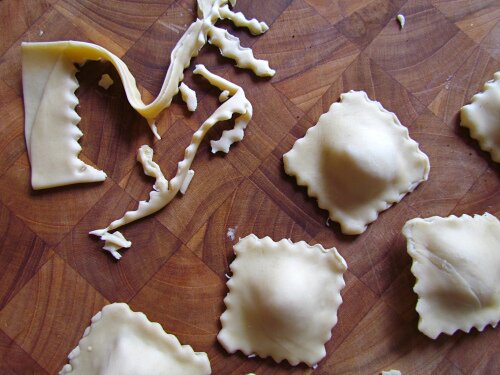
Delicata Squash Ravioli
-
Make these delicious sage biscuits for egg sandwiches this weekend!

-
M&M on Manhattan Users Guide

M&M Featured on MUG! Oct 24, 2012
-
M&M in The New York Times

M&M Strawberry Tart in The NY Times Food Section!
-
M&M Highlights

M&M Featured on Food52 on April 2!
-

-
-

-
My FoodEpix Gallery
-
-